Table of Contents
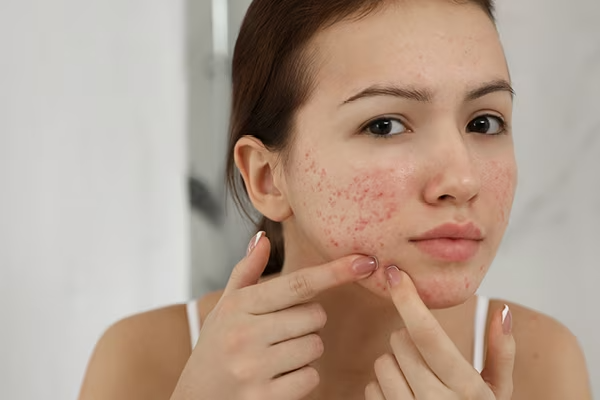
In an era where consumers are increasingly seeking holistic and health-conscious alternatives in their personal care routines, the intersection of organic and vegan skincare has emerged as a promising niche for individuals with acne-prone skin. Acne, a dermatological condition affecting millions globally, is not only an aesthetic concern but also one that can significantly impinge on an individual’s emotional well-being.
The American Academy of Dermatology Association reports that acne is the most common skin condition in the United States, affecting up to 50 million Americans annually. This prevalence has fostered a burgeoning industry dedicated to combating the condition. Contemporary research, sensitive to both the environmental impact and health implications of skincare formulations, is increasingly supportive of organic and vegan alternatives.
Defining the Landscape: Organic and Vegan Clarified
Before diving into the synergy between organic and vegan skincare, it’s imperative to delineate these terms. Organic skincare refers to products formulated with ingredients farmed without synthetic fertilizers, pesticides, or genetically modified organisms (GMOs). Certification bodies like the USDA Organic or the Soil Association ensure that products bearing their certification are composed of a substantial percentage of organic ingredients.
Vegan skincare, conversely, signifies products that do not contain any animal-derived components or byproducts. It is not necessarily organic, nor is organic inherently vegan. Nonetheless, a product that is both vegan and organic is at the pinnacle of conscientious skincare, embodying a commitment to both health and ethical standards.
The Rationale Behind Organic and Vegan Choices for Acne-Prone Skin
Minimization of Irritants and Allergens
Acne-prone skin is often hyper-reactive to chemicals and fillers commonly found in conventional skincare products. Organic formulations, characterized by their purity, are thought to reduce the likelihood of exacerbating acne through irritative mechanisms — an important consideration given that inflammation is a cornerstone of acne pathogenesis.
Nutrient-Rich Compositions
Many organic skincare products are abundant in natural vitamins, antioxidants, and essential fatty acids, which can enhance the skin’s overall health. These nutrient-rich ingredients support the skin’s barrier function, reduce oxidative stress, and may ameliorate inflammation, a key component in the development of acne lesions.
Environmental Impact
The vegan ethos is often associated with environmental stewardship. As consumer awareness grows regarding the carbon footprint associated with animal agriculture and the use of animal-derived ingredients in cosmetics, the choice for vegan skincare becomes part of a larger ethical consideration. This has incentivized brands to innovate and provide effective, animal-friendly solutions for acne-prone skin.
Humane and Ethical Considerations
A vegan skincare choice aligns with a cruelty-free philosophy, which rejects animal testing and exploitation. Such ethical consumption resonates with a growing segment of the market, who seek to harmonize their purchases with their principles — a demographic that has consistently exhibited substantial purchasing power.
The Efficacy of Organic and Vegan Ingredients in Acne Management
Incorporating organic and vegan ingredients into skincare regimens requires an understanding of which elements offer benefits for acne-prone skin. A multitude of natural ingredients possesses properties that could be advantageous for managing acne.
- Tea Tree Oil: Recognized for its antimicrobial and anti-inflammatory qualities, tea tree oil is a well-tolerated and potentially efficacious treatment for acne when used at appropriate concentrations.
- Salicylic Acid: Derived from willow bark, salicylic acid is a beta hydroxy acid (BHA) that aids in penetrating pores to exfoliate and reduce sebum buildup, a common factor in the formation of acne.
- Aloe Vera: Acclaimed for its soothing properties, aloe vera can mitigate irritation and inflammation associated with acne.
- Witch Hazel: This natural astringent may contribute to the reduction of inflammation and aid in the healing of blemishes.
- Green Tea: Loaded with antioxidants, green tea extract can potentially diminish inflammation and sebum production.
Research and Evidence
Studies in phytotherapy and dermatology indicate that certain plant-based compounds can be just as effective, if not more, than their synthetic counterparts. According to a 2017 article published in the Journal of the American Academy of Dermatology, natural oils have been examined for their role in managing microbiota on the skin’s surface, which can influence acne development.
Moreover, a 2018 study published in Molecules showed that certain vegan-friendly, natural ingredients have considerable anti-inflammatory potential, which is crucial in preventing and reducing the severity of acne lesions.
Challenges and Considerations
While organic and vegan skincare holds immense promise, challenges lie in the realms of preservation, stability, and efficacy. Synthetic preservatives, which are commonly used to inhibit microbial growth in cosmetics, are often eschewed in natural formulations in favor of less potent, but more skin-friendly, alternatives. As such, organic and vegan products may have a shorter shelf-life and require specific storage conditions to maintain their integrity.
Additionally, industry-wide standards and regulations for organic and vegan labeling are complex and sometimes inconsistent, necessitating that consumers become savvy in interpreting product labels and certifications.
Conclusion
The trajectory of acne treatment philosophies continues to evolve, with a notable trend toward natural, safe, and ethical skincare options. Organic and vegan skincare for acne-prone individuals represents a burgeoning field, propelled by consumer demand for products that are both effective and align with their values. Engendered by a combination of activism, science, and market forces, there is a clear impetus to innovate within the organic and vegan skincare sector, with the potential for profoundly beneficial outcomes for consumers and the environment alike.
As the industry advances, incorporating rigorous scientific research, consumer education, and product transparency will be vital in ensuring that individuals with acne-prone skin can access highly efficacious, ethical, and environmentally sound skincare solutions. While the transition to an entirely organic and vegan skincare regimen may require patience and a period of adaptation, the holistic benefits poised on the horizon are vast, embracing the principles of wellness, compassion, and ecological responsibility.