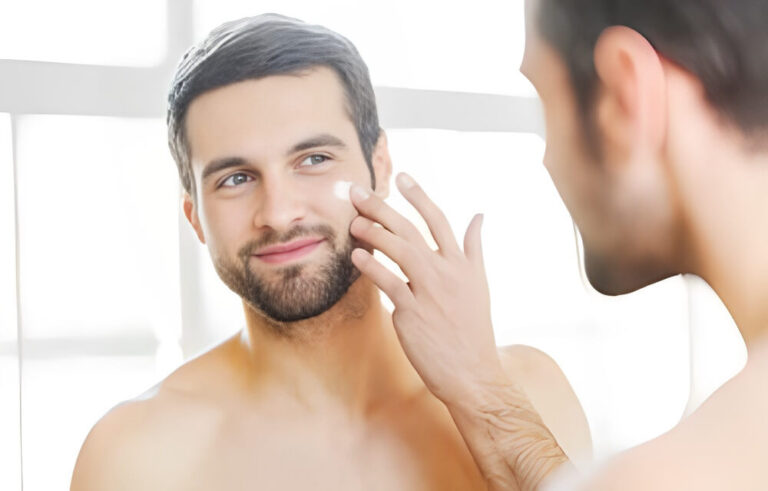
Tired of an endless cycle of lotions and creams that only offer temporary relief for your tight, itchy, and flaky skin? What if the secret to lasting comfort isn’t in a bottle, but in understanding the science of your skin? Many people turn to natural remedies for dry skin, but are often left with confusing and conflicting advice.
This is not just another list of “top 10 remedies.” This is the definitive, evidence-based guide to healing dry skin from the inside out. Drawing on recommendations from leading dermatological associations and scientific studies, we will empower you by explaining the why behind what works—demystifying concepts like the skin barrier, humectants, and occlusives. We’ll explore the science that differentiates effective treatments from harmful myths.
By the end of this guide, you will not only have practical, step-by-step DIY recipes but also the knowledge to debunk common myths and build a lifestyle that fosters healthy, hydrated skin for good. You’ll understand how to select the right ingredients for your unique needs and build a routine that delivers lasting results.
Table of Contents
- Why Your Skin is Dry: The Science of the Skin Barrier
- Evidence-Based Natural Remedies That Truly Work
- Practical DIY Guides & Step-by-Step Recipes
- Myth-Busting: 3 Common “Remedies” That Can Harm Your Skin
- The Dry Skin Lifestyle: Critical Dos and Don’ts
- Conclusion
- Frequently Asked Questions
Why Your Skin is Dry: The Science of the Skin Barrier
Before we can effectively treat dry skin, we must first understand its root cause. The most effective approach goes beyond simply slathering on a lotion; it involves repairing and supporting your skin’s natural protective layer. This foundational knowledge is what separates a temporary fix from a long-term solution and helps clarify the debate around natural vs. chemical treatments for dry skin. Understanding this science is especially crucial when seeking natural remedies for dry skin in winter, when environmental factors are at their most harsh.
What is Xerosis (Dry Skin)?
Xerosis cutis is the clinical term for abnormally dry skin. Its symptoms are unpleasantly familiar to many: a feeling of tightness, visible flaking or scaling, fine lines, redness, and persistent itching. According to a comprehensive overview of xerosis from Mount Sinai, it occurs when the skin’s outermost layer, the epidermis, lacks adequate moisture. This can be caused by a variety of factors, including:
- Environmental conditions: Low humidity, cold air, and wind strip moisture from the skin.
- Genetics: Some people are simply predisposed to having drier skin.
- Harsh soaps and cleansers: Alkaline soaps and detergents can strip the skin of its natural protective oils.
- Aging: As we age, our skin naturally produces less oil.
Your Skin’s Guardian: The Epidermal Barrier
Think of your skin’s outermost layer, the stratum corneum, as a brick wall. The “bricks” are your skin cells (corneocytes), and the “mortar” holding them together is a complex mixture of lipids, including ceramides, cholesterol, and fatty acids. This structure, known as the skin barrier or epidermal barrier, has two critical jobs: keeping water in and keeping irritants, allergens, and microbes out.
When this barrier is damaged or compromised—when the “mortar” starts to break down—it can no longer effectively hold onto water. Moisture escapes through the gaps in a process called transepidermal water loss (TEWL), leading directly to the symptoms of dry skin. The key to learning how to treat dry skin naturally is to use ingredients that repair this vital mortar and seal the barrier.
The Science of Hydration: Humectants vs. Occlusives vs. Emollients
To effectively combat dryness, it’s crucial to understand the three main categories of moisturizing ingredients. As outlined in principles discussed by Harvard Health on how to banish dry skin, a comprehensive approach often involves using all three types.
- Humectants: These are moisture magnets. They work by pulling water from the deeper layers of the skin and from the air, drawing it into the epidermis. Natural humectants include honey, aloe vera, glycerin, and hyaluronic acid.
- Occlusives: These ingredients form a physical, water-repellent seal over the skin. They don’t add moisture themselves but are experts at preventing moisture from escaping. This gives the skin time to repair its barrier underneath. Natural occlusives include beeswax, shea butter, and borage seed oil.
- Emollients: These are skin smoothers. They work by filling in the gaps between skin cells with lipids, which softens rough texture, reduces flaking, and improves the skin’s overall flexibility. Most natural oils and butters, like coconut oil and shea butter, have powerful emollient properties.
Evidence-Based Natural Remedies That Truly Work
With a scientific understanding of what our skin needs, we can now identify natural ingredients that are proven to deliver results. The most effective remedies often combine emollient, occlusive, and humectant properties to provide comprehensive care. When searching for the best natural oils for chronic dry skin or gentle herbal remedies for eczema and dry skin, focusing on ingredients with clinical backing is key.
Powerful Natural Occlusives & Emollients
These oils and butters are rich in fatty acids that mimic the skin’s natural lipids, helping to repair the “mortar” of the skin barrier while sealing in hydration.
- Coconut Oil: Rich in lauric acid, coconut oil is a fantastic emollient that softens skin and reduces water loss. Its thick consistency makes it particularly effective for tough areas, making coconut oil for dry, cracked feet an excellent choice. Opt for virgin, cold-pressed coconut oil.
- Shea Butter: Extracted from the nut of the African shea tree, this butter is packed with fatty acids (like oleic and stearic acid) and vitamins A and E. It’s a superb emollient and a moderate occlusive, making it perfect for soothing very dry, chapped skin.
- Jojoba Oil: Technically a wax ester, jojoba oil’s chemical structure is remarkably similar to the sebum our skin naturally produces. This allows it to absorb beautifully without feeling greasy, providing excellent emollient and barrier-supporting benefits.
- Borage Seed Oil: This oil is a standout for its incredibly high concentration of gamma-linolenic acid (GLA), an omega-6 fatty acid. GLA is a crucial component of a healthy skin barrier and has potent anti-inflammatory properties, making borage oil a top choice for compromised or chronically dry skin.
Nature’s Best Humectants
While oils and butters seal, humectants actively pull moisture into the skin. As noted in a publication by the NCBI on Herbal Treatment for Dermatologic Disorders, several plant-based ingredients have demonstrated significant dermatological benefits.
- Honey: Raw honey is a natural humectant and also possesses antimicrobial and anti-inflammatory properties. Its enzymes and antioxidants help nourish and heal dry, irritated skin.
- Aloe Vera: The clear gel from the aloe plant is famous for its soothing and hydrating abilities. It contains polysaccharides that bind moisture to the skin, along with vitamins and minerals that promote healing.
- Colloidal Oatmeal: This isn’t your breakfast oatmeal. Colloidal oatmeal is finely ground oats that have been boiled to extract their skin-soothing compounds. It contains avenanthramides, which reduce inflammation and itching, as well as beta-glucans that act as both humectants and emollients.
Internal Affairs: Supplements for Skin Health
Topical treatments are only one part of the equation. Building healthy skin from the inside out is just as important. Consider these natural supplements for dry skin after consulting with your healthcare provider.
- Vitamin D: Studies have linked low Vitamin D levels to dry skin conditions like eczema. Supplementing, especially in winter, may help improve skin hydration and barrier function.
- Collagen: As the primary structural protein in our skin, collagen provides strength and elasticity. Oral collagen supplements have been shown to improve skin hydration and reduce dryness.
- Omega-3 Fatty Acids: Found in fish oil and flaxseed oil, these essential fats are vital for maintaining a healthy skin barrier. They help reduce inflammation and keep skin supple and moisturized.
Practical DIY Guides & Step-by-Step Recipes
Now it’s time to put our scientific knowledge into action. These simple, effective recipes are designed to provide immediate relief and long-term benefits. Creating homemade face masks for severe dry skin or other DIY natural remedies for dry facial skin doesn’t have to be complicated to be effective.
How to Create a Soothing Colloidal Oatmeal Bath
An oatmeal bath is one of the quickest ways to calm widespread itching and dryness. The National Eczema Association explains how colloidal oatmeal baths can help soothe dry skin by creating a protective barrier that holds in moisture and eases inflammation.
- Prepare the Oatmeal: Measure out one cup of whole, uncooked rolled oats. Using a blender or coffee grinder, grind the oats into a fine, consistent powder. To test if it’s fine enough, stir a tablespoon into a glass of warm water—it should dissolve into a milky, uniform liquid without settling.
- Draw the Bath: Fill your bathtub with lukewarm (not hot) water. Hot water can strip the skin of its natural oils and worsen dryness.
- Add the Oatmeal: As the tub fills, slowly pour the powdered colloidal oatmeal into the running water stream. This helps it disperse evenly throughout the bath.
- Soak and Relax: Submerge your body in the bath for 15-20 minutes.
- Pat Dry: After the bath, gently pat your skin dry with a soft towel. Do not rub. Leave the skin slightly damp.
- Moisturize Immediately: Within three minutes of patting dry, apply a generous layer of your favorite natural oil or butter to lock in the hydration from the bath.
Recipe: Ultimate Hydration Honey & Aloe Face Mask
This simple mask combines two powerhouse humectants to pull deep moisture into the skin. It’s a perfect solution if you want to know how to treat dry skin naturally overnight.
- Ingredients:
- 1 tablespoon of raw honey
- 2 tablespoons of pure aloe vera gel
- (Optional) 1 teaspoon of jojoba or borage seed oil for extra emollient benefits
- Instructions:
- In a small bowl, mix the raw honey and aloe vera gel until you have a smooth, consistent paste. If using, stir in the oil.
- Apply a thick layer to your clean, dry face, avoiding the immediate eye area.
- Leave the mask on for 20 minutes.
- Rinse off with lukewarm water and pat your skin dry. Follow up immediately with your favorite moisturizer to seal in the benefits.
The Right Way to Apply Natural Oils for Maximum Effect
One of the most common mistakes is applying oils to completely dry skin. Oils are primarily occlusives and emollients, meaning their main job is to seal in existing moisture. To maximize their effect, always apply them to damp skin.
This simple technique is one of the best natural remedies for dry, itchy skin on legs and body. After a shower or bath, gently pat yourself down with a towel, leaving your skin slightly damp and dewy. Immediately apply your chosen oil (like coconut, jojoba, or borage seed oil). The oil will trap the water droplets on your skin’s surface, providing a powerful, long-lasting hydrating effect that lotions often can’t match.
Myth-Busting: 3 Common “Remedies” That Can Harm Your Skin
The internet is filled with DIY skincare advice, but not all of it is sound. Some popular “natural” remedies can actually damage your skin barrier, leading to increased dryness and irritation. It’s important to understand the difference when considering natural vs. chemical treatments for dry skin, as a poorly chosen natural ingredient can be just as problematic as a harsh chemical one.
Myth 1: Using Pure Lemon Juice to Brighten Skin
The Claim: Lemon juice can fade dark spots and brighten dull skin.
The Reality: Lemon juice is highly acidic, with a pH of around 2. Your skin’s natural pH is around 4.7 to 5.75. Applying pure lemon juice drastically disrupts this acidic mantle, which is a critical part of your skin barrier. This can lead to severe irritation, increased photosensitivity (making you more prone to sun damage), and ultimately, a compromised barrier that loses more moisture.
Myth 2: Harsh Sugar & Salt Scrubs for the Face
The Claim: A vigorous scrub with sugar or salt is the best way to exfoliate flaky skin.
The Reality: While exfoliation is important, the sharp, irregular edges of sugar and salt crystals can create micro-tears in the delicate skin on your face. This physical damage weakens the skin barrier, causing inflammation and worsening the cycle of dryness and sensitivity. For facial exfoliation, opt for much gentler methods, like using a soft washcloth with a cream cleanser or a product containing mild chemical exfoliants like lactic acid.
Myth 3: Applying Olive Oil to Your Face
The Claim: If it’s good to eat, it must be good for your skin.
The Reality: This is a debated topic, but for many people, putting olive oil on the face is a bad idea. While it can be an acceptable body moisturizer for some, many types of olive oil are very high in a fatty acid called oleic acid. Research suggests that high levels of oleic acid can disrupt barrier function in those with already dry or compromised skin. It is also moderately comedogenic, meaning it has the potential to clog pores and cause breakouts. For the face, choose oils with a more balanced fatty acid profile or a higher concentration of linoleic acid, such as jojoba, borage seed, or rosehip seed oil.
The Dry Skin Lifestyle: Critical Dos and Don’ts
Lasting relief from dry skin requires a holistic approach that goes beyond topical treatments. Your daily habits play a monumental role in the health of your skin barrier. Adopting these lifestyle changes is especially critical when dealing with seasonal dryness and looking for natural remedies for dry skin in winter.
Your Showering Habits
The way you wash can either support or sabotage your skin’s moisture levels. The American Academy of Dermatology’s top tips for relieving dry skin emphasize the importance of gentle bathing habits.
- Turn Down the Heat: Extremely hot water feels good in the moment but acts as a powerful solvent, stripping your skin of its natural protective lipids. Opt for lukewarm water instead.
- Keep it Short: Limit showers and baths to 5-10 minutes. Prolonged exposure to water can paradoxically lead to drier skin as it begins to break down barrier lipids.
- Pat, Don’t Rub: After bathing, gently pat your skin with a soft towel. Vigorous rubbing can cause irritation and friction.
- Moisturize Immediately: Apply your moisturizer or oil within three minutes of getting out of the shower to lock in the surface hydration.
Hydration from Within: Food & Water
What you put inside your body is reflected on the outside. True hydration is an inside job.
- Drink Water: While over-hydrating won’t magically cure dry skin, dehydration will absolutely make it worse. Ensure you’re drinking an adequate amount of water throughout the day.
- Eat Your Water: Incorporate water-rich foods into your diet, such as cucumber, celery, watermelon, and strawberries.
- Consume Healthy Fats: Foods rich in essential fatty acids are crucial for building the “mortar” of your skin barrier. Prioritize sources like avocados, walnuts, flaxseeds, and fatty fish like salmon.
Choosing the Right Cleansers
The soap you use every day could be the primary culprit behind your dry skin.
- Avoid Harsh Bar Soaps: Many traditional bar soaps have a high pH (are very alkaline), which disrupts the skin’s natural acidic mantle and strips away protective oils.
- Look for “Gentle” and “Hydrating”: Choose cleansers that are specifically formulated for dry or sensitive skin. Look for terms like “soap-free,” “fragrance-free,” and “hydrating.”
- Steer Clear of Sulfates: Ingredients like Sodium Lauryl Sulfate (SLS) and Sodium Laureth Sulfate (SLES) create a rich lather but can be extremely stripping and irritating for dry skin.
Conclusion
Finding lasting relief from dry skin isn’t about discovering a single “miracle” product. It’s about empowerment through knowledge. Lasting comfort comes from understanding the science of your skin barrier and consciously choosing to support it through a holistic approach. By learning to distinguish between the three key types of moisturizing ingredients—occlusives, emollients, and humectants—you can move beyond temporary fixes and begin to truly heal your skin.
You are now equipped with an evidence-based framework to build a routine that works. You have the practical, step-by-step recipes to create effective and safe treatments at home, the scientific knowledge to debunk common myths, and the lifestyle strategies to cultivate healthy, resilient skin from the inside out. By combining gentle habits with nature’s most effective ingredients, you can finally break the cycle of dryness and enjoy comfortable, hydrated skin for good.
Ready to put this knowledge into action? Explore our curated selection of 100% pure, natural oils and butters to start your journey toward healthy, hydrated skin today.
Frequently Asked Questions
How can I treat dry skin naturally overnight?
To treat dry skin naturally overnight, you can use a method similar to “slugging.” After your evening cleansing routine, while your skin is still slightly damp, apply a humectant like aloe vera or a serum with hyaluronic acid. Then, layer a generous amount of a natural occlusive, like shea butter, over the top. This creates a seal that prevents water loss while you sleep, allowing your skin to deeply rehydrate.
Is coconut oil good for dry, cracked feet?
Yes, coconut oil for dry, cracked feet is an excellent remedy. The skin on our feet is much thicker than elsewhere on the body and can benefit from a heavy-duty emollient and occlusive like coconut oil. Its fatty acids help soften hardened skin and repair cracks, while its occlusive nature seals in moisture. For best results, apply a thick layer to your clean feet before bed and wear a pair of cotton socks to lock it in.
What are the best natural remedies for dry skin in winter?
The best natural remedies for dry skin in winter focus on combating the harsh, low-humidity environment. First, use a humidifier in your home, especially in your bedroom, to add moisture back into the air. Second, switch to heavier, more occlusive moisturizers like shea butter or borage seed oil. Finally, be extra vigilant about your lifestyle habits: take short, lukewarm showers and apply oil to damp skin immediately afterward to create a protective barrier against the cold, dry air.