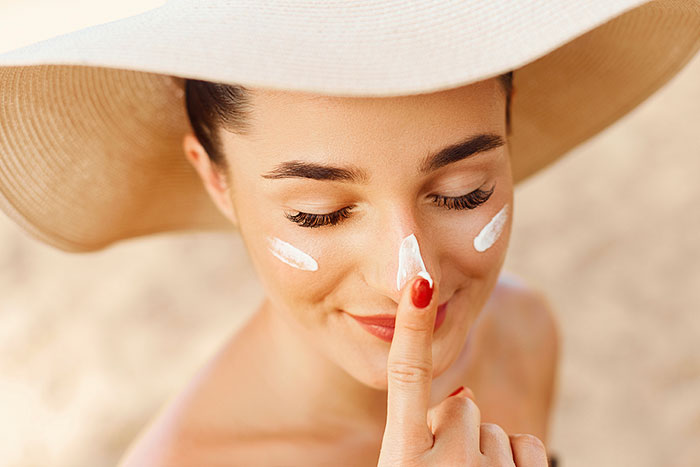
Skincare acids, such as Alpha Hydroxy Acids (AHAs) and Beta Hydroxy Acids (BHAs), have revolutionized the beauty world. They are essential ingredients in many skincare routines, offering benefits like exfoliation, acne treatment, and skin brightening. In this guide, we’ll explain these acids, how they work, and how to choose the right one for your skin type to achieve a radiant, smooth complexion.

What Are Skincare Acids and How Do They Work?
Skincare acids are chemical exfoliants that help remove dead skin cells, improve skin texture, and address issues like acne and hyperpigmentation. Unlike physical exfoliants, which involve scrubbing the skin, chemical exfoliants break down the bonds between dead cells, allowing them to be washed away easily. You’ll encounter two primary types of acids in skincare: AHAs and BHAs.
What Are Alpha Hydroxy Acids (AHAs)?
Alpha hydroxyl acids (AHAs) are water-soluble acids that primarily work on the skin’s surface, making them ideal for individuals with dry or sensitive skin. They help with exfoliation, revealing smoother, brighter skin underneath. The most common AHAs are:
- Glycolic Acid – A famous AHA, glycolic acid is derived from sugar cane and is effective for exfoliating the skin, improving texture, and treating fine lines and sun damage.
- Lactic Acid—This milder acid, often derived from milk, is great for sensitive skin. It hydrates the skin while also exfoliating, making it perfect for beginners.
- Mandelic Acid – Derived from almonds, mandelic acid has a larger molecular structure than glycolic acid, which makes it gentler on the skin. It’s particularly effective for treating acne and improving skin tone.
Benefits of AHAs:
- Exfoliates dead skin cells
- Reduces the appearance of fine lines and wrinkles
- Helps with hyperpigmentation and uneven skin tone
- Promotes smoother skin texture and enhances skin brightness
What Are Beta Hydroxy Acids (BHAs)?
Beta hydroxyl acids (BHAs) are oil-soluble, allowing them to penetrate deeper into the pores. This makes them excellent for treating acne and oily skin. The most common BHA is salicylic acid, which is a highly effective acne treatment.
- Salicylic Acid – Derived from willow bark, salicylic acid is one of the most widely used BHAs in skincare. It helps to exfoliate inside the pores, unclogging them and reducing acne.
Benefits of BHAs:
- Penetrates deep into pores to clear out excess oil and dead skin cells
- Treats acne, blackheads, and whiteheads
- Reduces inflammation and soothes irritated skin
- Controls excess oil production
AHA vs. BHA: What’s the Difference?
While both AHAs and BHAs are exfoliants, they work in different ways:
- AHAs focus on exfoliating the surface layer of the skin, making them ideal for people with dry or mature skin.
- BHAs go deeper, targeting clogged pores and controlling oil production, making them suitable for acne-prone or oily skin.
Using an AHA and a BHA in your skincare routine can offer the best results for individuals with combination skin. It’s essential to introduce them gradually to avoid irritation.
Other Types of Skincare Acids
Beyond AHAs and BHAs, several other skincare acids offer unique benefits. Here’s a quick look at some of the most popular:
- Hyaluronic Acid – A humectant that helps to retain moisture, hyaluronic acid is a must-have for hydration and plumping the skin.
- Azelaic Acid – Known for its anti-inflammatory properties, azelaic acid is effective for treating rosacea and reducing redness and hyperpigmentation.
- Ascorbic Acid (Vitamin C) – This powerful antioxidant helps brighten the skin, evens skin tone, and protects against environmental damage.
How to Choose the Right Skincare Acid for Your Skin Type
Choosing the correct acid depends on your skin type and the issues you’re trying to address:
- For Dry or Mature Skin: Opt for AHAs like glycolic or lactic acid to improve skin texture, exfoliate, and hydrate.
- For Oily or Acne-Prone Skin: BHAs like salicylic acid are your best bet for unclogging pores and reducing breakouts.
- For Sensitive Skin: Start with gentle acids like mandelic or lactic acid to avoid irritation. Azelaic acid can also help calm redness.
- For Combination Skin: A blend of AHAs and BHAs can help target dry patches and oily areas.
How to Incorporate Acids Into Your Skincare Routine
Introducing acids into your skincare routine should be done gradually. Here’s how to get started:
- Patch Test First: Apply a small amount of the acid to a less visible area of your skin to test for any adverse reactions.
- Start Slowly: Begin with a low concentration and use the acid 2-3 times a week, gradually increasing as your skin builds tolerance.
- Apply Moisturizer: Always follow up with a moisturizer to keep your skin hydrated.
- Wear Sunscreen: Acids make your skin more sensitive to the sun, so always use SPF during the day.
- Don’t Mix Too Many Actives: Avoid combining too many exfoliating acids in one routine, leading to irritation.
Common Mistakes to Avoid When Using Skincare Acids
- Over-exfoliating: Using acids too frequently can lead to irritation, redness, and dryness. Less is often more.
- Skipping Sunscreen: Acids increase the skin’s sensitivity to the sun, making it more prone to sunburns and damage. Always apply broad-spectrum SPF.
- Mixing Incompatible Ingredients: Be cautious about mixing acids with other vital ingredients like retinoids or Vitamin C, as this can cause irritation.
FAQs About Skincare Acids
1. Can I use AHA and BHA together?
Yes, but it’s essential to introduce them gradually into your routine to avoid irritation. Many people use AHAs at night and BHAs in the morning.
2. What is the best acid for treating acne?
Salicylic acid (BHA) is highly effective for treating acne. It penetrates deep into the pores to clear out oil and reduce inflammation.
3. How long does it take to see results from skincare acids?
You may notice smoother skin in a few weeks, but it can take up to 12 weeks to see full results, particularly for issues like hyperpigmentation or acne scars.
4. Can acids be used on sensitive skin?
Yes, starting with gentler acids like lactic or mandelic acid is essential. Always do a patch test first.
5. Should I use acids every day?
It depends on your skin’s tolerance. Beginners should start with 2-3 times a week and gradually increase frequency as tolerated.
6. Is it safe to use acids during pregnancy?
Certain acids, like lactic acid, are generally considered safe, but it’s always best to consult a healthcare professional before using them during pregnancy.
Conclusion
Skincare acids like AHA and BHA are game-changers when achieving radiant, smooth skin. By choosing the right acid for your skin type and incorporating it slowly into your routine, you can enjoy the benefits of exfoliation, clearer skin, and a brighter complexion. Just remember, balance and consistency are key!
Follow Us on: Pinterest.
For More Skin Care guides and routines visit: The Skin Care Journey