
AHA (alpha-hydroxy acids) and retinol are two powerhouse ingredients in skincare, known for their ability to improve skin texture, promote cell turnover, and address concerns like acne, wrinkles, and hyperpigmentation. However, both ingredients can be quite potent, making it crucial to alternate their usage to avoid irritation while reaping their full benefits.
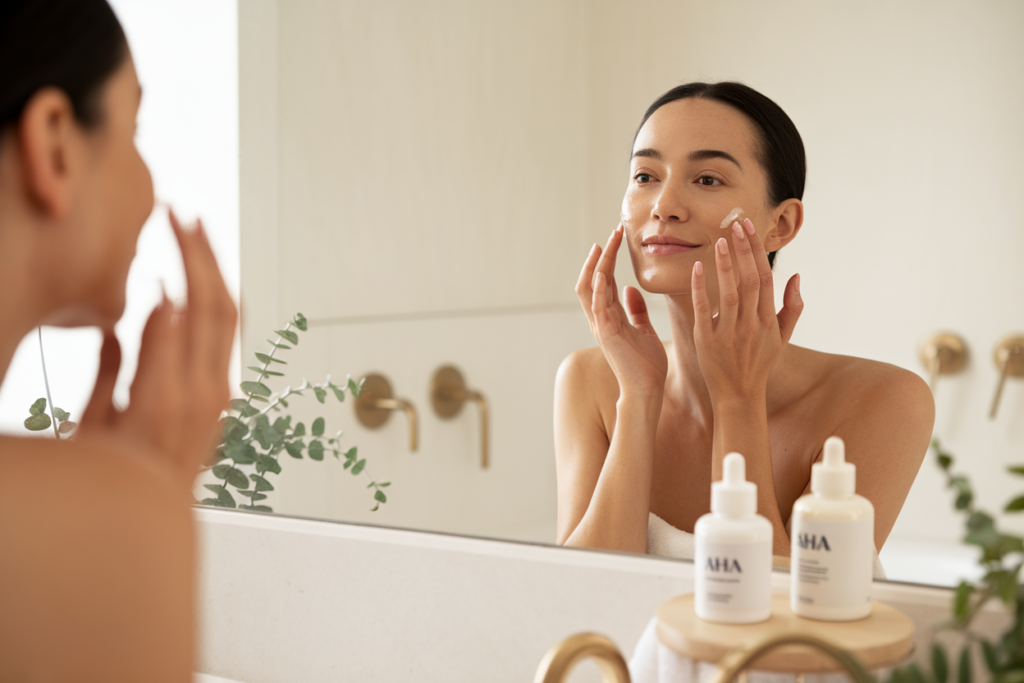
In this article, we’ll guide you through how to safely alternate AHA and retinol in your weekly skincare routine, providing a step-by-step approach that maximizes results and minimizes the risk of irritation. We’ll also include special tips for sensitive skin types and product recommendations.
Contents
Why You Should Alternate AHA and Retinol
Although AHA and retinol both work to improve skin, they do so in different ways:
- AHAs exfoliate the skin’s surface by removing dead skin cells, leaving your complexion smoother and more radiant. They’re also effective at treating uneven skin tone and hyperpigmentation.
- Retinol works on a deeper level, stimulating collagen production and speeding up cell turnover, making it highly effective at treating wrinkles, acne, and fine lines.
Using them together on the same day or night can lead to over-exfoliation, resulting in irritation, redness, dryness, and peeling. By alternating them, you give your skin time to absorb the benefits of each ingredient without overwhelming it.
How to Safely Alternate AHA and Retinol for Maximum Results
Step 1: Start Slowly
If you’re new to either AHA or retinol, it’s important to introduce each product slowly. Using both for the first time without building tolerance can lead to irritation. Start by using each ingredient once or twice a week and gradually increase frequency as your skin becomes accustomed.
How to Start:
- Week 1: Use an AHA product (like a glycolic acid toner or lactic acid serum) once or twice a week.
- Week 2: Introduce retinol into your routine, using it once or twice a week on nights when you’re not using AHA.
Step 2: Alternate Nights to Maximize Results
Once your skin has built up tolerance, you can alternate AHA and retinol on different nights throughout the week. This gives your skin time to recover while allowing you to benefit from the exfoliating properties of AHA and the cell renewal benefits of retinol.
Suggested Weekly Routine:
- Monday: AHA night (e.g., glycolic acid serum).
- Tuesday: Rest day (focus on hydrating and soothing products).
- Wednesday: Retinol night (start with a low-strength retinol).
- Thursday: Rest day (use a gentle moisturizer and calming products).
- Friday: AHA night.
- Saturday: Rest day.
- Sunday: Retinol night.
By alternating nights, you give your skin a break between active ingredients, reducing the risk of irritation.
Step 3: Always Focus on Hydration and Protection
Both AHA and retinol can dry out the skin, so it’s crucial to keep your skin hydrated and well-protected. After applying either AHA or retinol, always follow with a rich moisturizer to lock in hydration and repair your skin barrier.
Additionally, because both ingredients make your skin more sensitive to the sun, apply a broad-spectrum sunscreen with SPF 30 or higher during the day. This will prevent further damage and hyperpigmentation from UV exposure.
Step-by-Step Guide: Alternating AHA and Retinol for Maximum Results
Here’s a simple, easy-to-follow routine to safely alternate AHA and retinol while maintaining a healthy, glowing complexion:
Step 1: Cleanse Your Skin
Start every night with a gentle cleanser that doesn’t strip your skin of its natural oils. Look for sulfate-free formulas that won’t irritate your skin.
Step 2: Apply AHA or Retinol (Depending on the Night)
- On AHA nights, apply your AHA product (like a glycolic acid toner or lactic acid serum) after cleansing. Allow the product to fully absorb before moving to the next step.
- On retinol nights, apply a small amount of retinol after cleansing. Use a pea-sized amount and start with a lower concentration (around 0.25%) if you’re new to retinol.
Step 3: Hydrate and Moisturize
After applying AHA or retinol, use a hydrating serum such as hyaluronic acid to boost moisture levels. Follow up with a rich, soothing moisturizer to prevent dryness and protect your skin barrier.
Step 4: Apply Sunscreen in the Morning
On both AHA and retinol nights, make sure to apply a generous layer of sunscreen the next morning. Both ingredients increase your skin’s sensitivity to sunlight, so using sunscreen daily is a must.
What If You Have Sensitive Skin?
For those with sensitive skin, alternating AHA and retinol requires even more caution. Here’s how to adjust the routine to avoid irritation:
1. Use Milder Versions of AHA and Retinol
- Opt for lactic acid or mandelic acid instead of glycolic acid, as they are gentler on the skin.
- Choose low-strength retinol (0.25% or lower) to reduce the chance of irritation. You can gradually increase the concentration once your skin builds tolerance.
2. Extend Rest Days
If you have sensitive skin, consider using AHA and retinol just once or twice a week each, and leave more rest days in between:
- Monday: AHA night.
- Wednesday: Rest day.
- Friday: Retinol night.
- Sunday: Rest day.
3. Focus on Barrier Repair
On non-AHA and non-retinol nights, focus on products that strengthen your skin barrier. Look for ingredients like niacinamide, ceramides, and squalane, which help soothe and repair the skin while maintaining hydration.
Recommended Products for Alternating AHA and Retinol
For AHA:
- The Ordinary Glycolic Acid 7% Toning Solution: A budget-friendly exfoliating toner that helps brighten and smooth skin.
- Paula’s Choice Resist Advanced Smoothing Treatment 10% AHA: A blend of glycolic, lactic, and malic acids, ideal for exfoliating and renewing skin.
For Retinol:
- La Roche-Posay Retinol B3 Serum: A gentle retinol serum enriched with niacinamide to soothe and protect sensitive skin.
- The Ordinary Retinol 0.2% in Squalane: A low-strength retinol suspended in a hydrating squalane base, perfect for beginners.
For Hydration and Barrier Repair:
- CeraVe Moisturizing Cream: A rich moisturizer that contains ceramides and hyaluronic acid to hydrate and repair the skin barrier.
- The Inkey List Hyaluronic Acid: A lightweight serum that deeply hydrates and helps plump the skin.
Key Takeaways: How to Alternate AHA and Retinol for Best Results
- Alternate AHA and Retinol: Use them on different nights to prevent irritation.
- Start Slowly: Introduce each product gradually to build tolerance.
- Hydrate and Moisturize: Always use a good moisturizer to keep your skin barrier strong.
- Sun Protection: Apply sunscreen daily, as both AHA and retinol increase sun sensitivity.
- Adjust for Sensitive Skin: Use gentler versions of AHA and retinol, and leave more rest days between applications.
By alternating AHA and retinol in your routine, you can enjoy the benefits of both ingredients without the risk of irritation. With consistent use, you’ll see improvements in skin texture, radiance, and overall health—leading to a clearer, smoother complexion over time.
Helpful Resources:
- How to Use Retinol Safely: Dermstore: The Ultimate Guide to Retinol
- Understanding AHAs and BHAs: Healthline: AHA vs BHA
Follow Us on: Pinterest.
For More Skin Care guides and routines visit: The Skin Care Journey


